TESLA POWERWALL BATTERY SCHEDULING
Lock in a peak export rate and save at other times by charging your battery when wholesale prices are low.
Tesla Powerwall solar battery scheduling & setup
This guide explains how to configure your Tesla Powerwall to prioritise discharging between 5:30pm and 9:30pm using Time of Use (TOU) mode in the Tesla app.
This setup is required if you’re participating in Flow Power’s Happy Hour Electricity Plan.
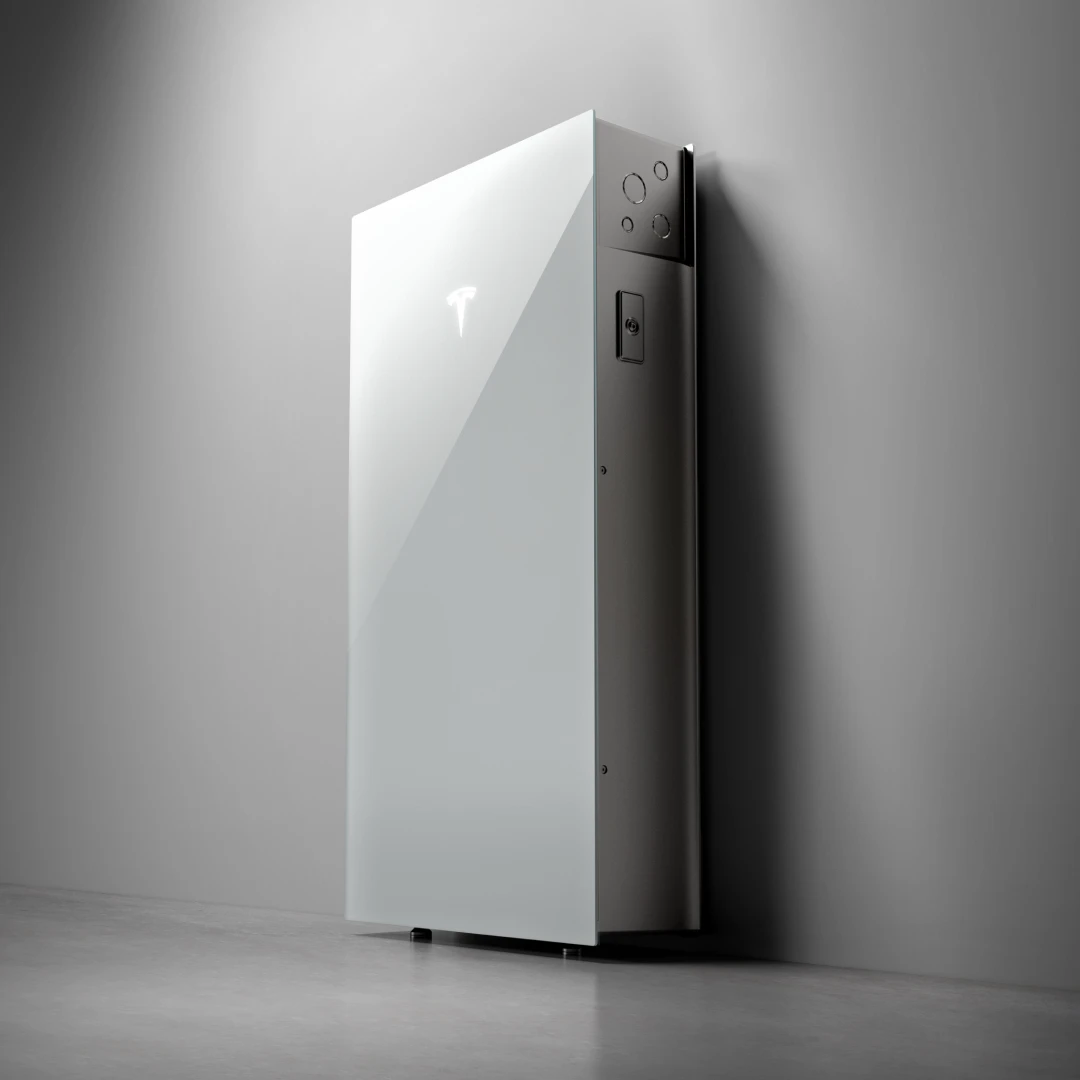
How to setup your battery
Step 1 –
Confirm your inverter & app access
This guide applies to:
- Tesla Powerwall
- Tesla Powerwall 2
- Tesla Powerwall+
Managed through the Tesla App (iOS or Android).
Ensure:
- Your system is online in the app
- You have owner-level access
- The battery shows available stored energy
Step 2 –
Set operating mode to Time-Based Control
Open the Tesla App
- Tap Energy
- Tap Customize
- Select Time-Based Control
- Choose Balanced or Advanced
Why Time-Based Control?
Time-Based Control allows the Tesla Powerwall to discharge during higher-value time periods.
If the system is set to Self-Powered, the battery will prioritise powering your home and may not discharge as strongly during the Battery Happy Hour window.
Step 3 –
Configure the peak period (5:30pm–9:30pm)
In Time-Based Control settings:
- Navigate to Utility Rate Plan
- Edit your time-of-use schedule
Set the Peak period to:
- Start: 17:30
- End: 21:30
Save the schedule.
This signals the Tesla Powerwall that electricity is most valuable during this window, encouraging the battery to discharge.
Step 4 –
Adjust backup reserve
To ensure energy is available during Happy Hour:
- Go to Energy Settings
- Locate Backup Reserve
- Set reserve to around 10–20% (typical recommendation)
If Backup Reserve is set too high (for example 40–50%), the battery may stop discharging early and keep energy reserved for outages.
Step 5-
Confirm export conditions
Even if your battery discharges, grid export may still be limited if:
- Export restrictions exist in your network connection agreement
- Your DNSP export limit is lower than the inverter output
- Your home is consuming most of the energy
Typical DNSP export limits are:
- 5 kW single phase
- 10–15 kW three phase
(These limits vary by region and network.)
Step 6-
Verify during Happy Hour
Between 5:30pm–9:30pm:
Open the Tesla App and check the Energy Flow screen.
Look for:
- Battery showing discharging
- Power flowing from battery to grid
- Grid export visible in the energy flow diagram
If the battery is discharging but export appears low:
- Your home load may be absorbing the energy, or
- Your export limit may be restricting grid export
Earn up to a 35c per kWh evening feed-in tariff
- Keep full control of your solar and battery and earn a 30-35c/kWh feed-in rate between 5:30-9:30pm, every day on our Happy Hour Electricity Plan.
- Our dynamic pricing rewards you for using energy when it’s cheaper and more renewable.
- Your home’s energy use is matched with 100% GreenPower from one of our renewable projects in your state.
- Better manage their energy use with the help of smart insights via the Flow Power app.

Do I control my own exports?
Yes. You keep full control of your solar and battery system at all times.
Flow Power doesn’t remotely control your inverter or battery. Instead, we give you price signals and a clear export window, and you decide how to respond.
If you have a battery or smart inverter, you (or your installer) can set it up so you charge when energy is cheaper and export more during Happy Hour, but all those settings remain in your hands.
Don’t have a battery?
Compare quotes from your local pre-vetted installers with Solar Choice.
Learn moreGot more questions? we’re here to help
For technical support in Australia, contact:
Tesla Energy Support
Phone: 1800 646 952
Support website: https://www.tesla.com/en_au/support/energy
You can also contact your installer if export settings or network limits need adjustment.