How Flow Power’s pricing works
When you use power matters. With Flow Power, your electricity rate isn’t fixed. It moves up or down each month depending on when you use energy. Shift more of your use into the cheaper times of day, and your rate comes down.
Compare our plans
Electricity prices change all day
Most electricity plans charge a set rate or set peak and off-peak rates at fixed times. The real cost of electricity changes all day, depending on how much is being generated and how much people are using.
In the middle of the day, millions of solar systems across Australia are generating power, and there’s often more energy than we need. That pushes prices right down, sometimes close to zero.
As the sun goes down and people get home, demand rises while solar drops away. That’s when electricity is most expensive.
So instead of thinking of electricity as one fixed cost, think of every day as having a cheap window and an expensive window.

Average NEM wholesale price by time of day (c/kWh), demand-weighted across NSW, QLD, VIC, SA and TAS, FY2025–26. AEMO data, market time (AEST). Illustrative.
These times in the graph are a guide. The cheapest and most expensive hours shift from day to day, and the Flow Power app shows the daily price forecast, so you can plan your flexible energy use.
How your rate works
Instead of locking you into a fixed price, every month starts with a base rate, the standard price per kWh for your area (it’s on your Energy Fact Sheet). From there, your energy habits move that rate up or down:
- Use more of your energy in the cheap window, and your rate goes down.
- Use more in the expensive window, and your rate goes up.
We work this out at the end of each month and show it on your bill as the Price Efficiency Adjustment or PEA. It’s a cents-per-kWh amount added to or taken off your base rate, so your usage pattern, and the wholesale prices at those times, set the final rate you pay.

The words you’ll see on your bill
| Term | What it means |
|---|---|
| Base rate | The standard price per kWh for your area, before any adjustment. Listed on your Energy Fact Sheet. |
| Price Efficiency Adjustment | Your monthly adjustment. A minus number lowers your rate; a plus number raises it. It depends on when you used power and what wholesale prices were at those times. |
| Daily supply charge | A fixed daily amount for connecting your home, mostly made up of your local network’s (the “distributor’s”) charges. It isn’t affected by the PEA. |
What it looks like on your bill
Here's an example for a home in Sydney (Ausgrid network) on a single-rate tariff, using 500 kWh over a 30-day month. Two scenarios for the same home and the same month, using the same amount of power. The only difference is when it was used.
Scenario A: most usage around midday
| Charge | Rate | Quantity | Amount |
|---|---|---|---|
| Daily supply charge | 240.47c/day | 30 days | $72.14 |
| Electricity usage (base rate) | 41.36c/kWh | 500 kWh | $206.80 |
| Price Efficiency Adjustment | −8.00c/kWh | 500 kWh | −$40.00 |
| Total for the month | $238.94 |
Effective usage rate: 33.36c/kWh (41.36c base rate, minus 8c)
Scenario B: most usage during the evening
| Charge | Rate | Quantity | Amount |
|---|---|---|---|
| Daily supply charge | 240.47c/day | 30 days | $72.14 |
| Electricity usage (base rate) | 41.36c/kWh | 500 kWh | $206.80 |
| Price Efficiency Adjustment | +4.00c/kWh | 500 kWh | +$20.00 |
| Total for the month | $298.94 |
Effective usage rate: 45.36c/kWh (41.36c base rate, plus 4c)
In this example, Scenario A costs $60 less than Scenario B. The only change is when the power was used.
Easy ways to use the cheap window
You don't need to change everything. Moving a few of the most energy-hungry appliances into the cheap window is where most of the saving comes from. In the example above, that shift was worth 12c/kWh, or $60 for the month:
-
Hot water systems
If yours has a timer, set it to heat in the middle of the day (homes on a controlled-load off-peak circuit may need their electrician or distributor to change this).
-
Washing machines and dryers
Use the delay-start button.
-
Pool pumps
Run them late morning to mid-afternoon.
-
Electric vehicle chargers
Working from home? Schedule charging for the middle of the day.
-
Home batteries
Charge from cheap power or solar in the day, then run your home on the battery in the evening.
-
Check the forecast
Our app shows the price forecast for the day ahead, and you can set high price notifications, so you know when to power up and when to hold off.
Pricing that rewards a little flexibility
This pricing may suit you if you…
- Can run big appliances on timers (hot water, dishwasher, pool pump)
- Have, or plan to get, a home battery or an electric vehicle
- Are happy to check the app now and then
- Want to lower your bills by using more power when solar is plentiful
It may be less suited if you…
- Use most of your power in the morning and evening and can't easily change that
- Have solar but no battery and use most of your power after dark. Your solar already covers much of your daytime use, so most of the power you buy from us would be in the expensive window.
- Want the same fixed rate every month
More visibility. More control.
Simple tools help you see what’s happening and make informed choices about your energy use.
-
Live prices and forecasts
See upcoming price signals in the Flow Power app and plan flexible tasks around them.
-
High-price alerts
Choose SMS or push notifications when high prices are forecast.
-
Usage and savings dashboards
Track your usage and see how your energy habits are progressing during the month.
What customers have changed
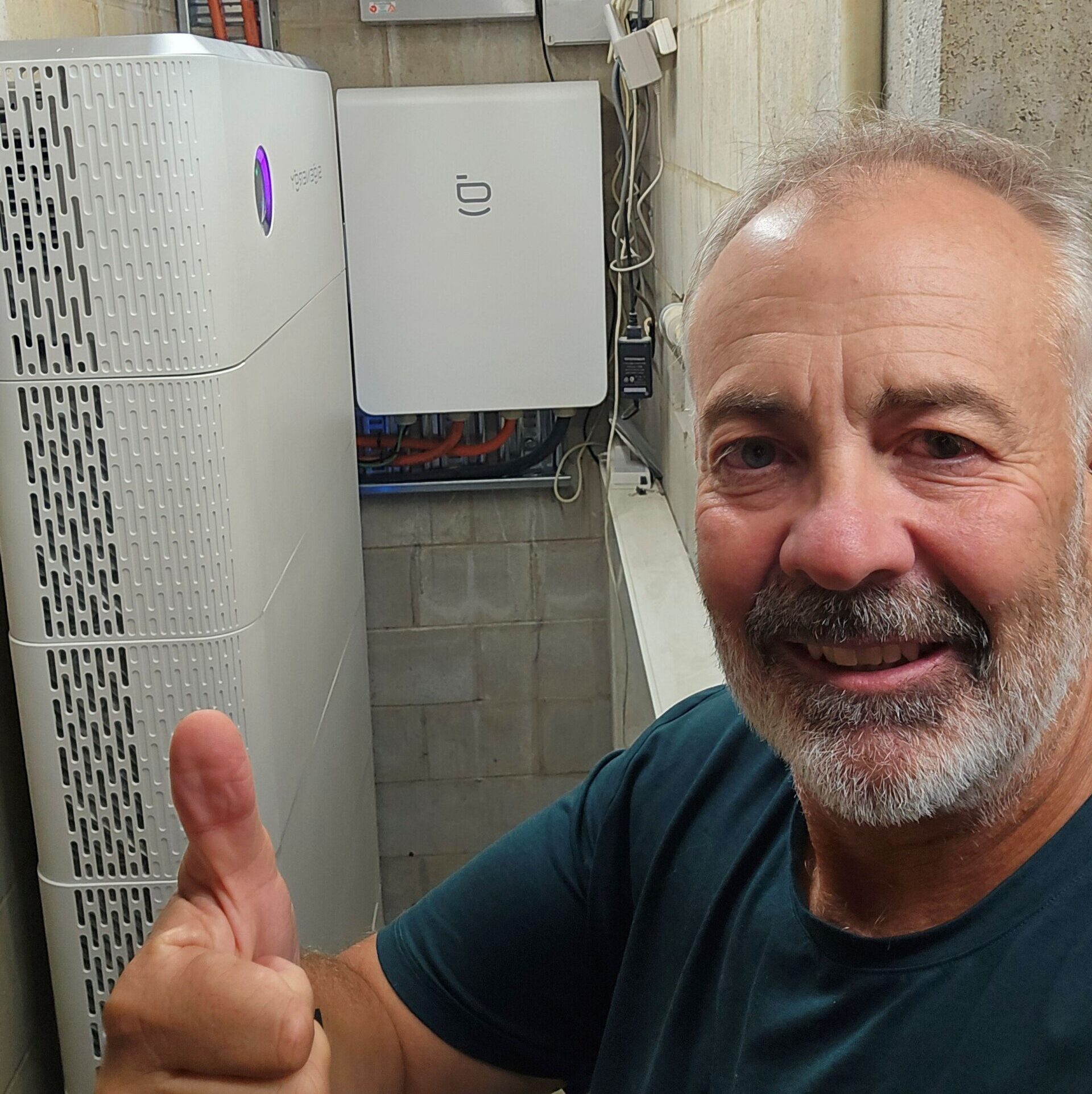
How Barry turned his Sunshine Beach home into an evening power station
“It’s the only retail model I found that rewards you for being smart about when you use and sell power, rather than just how much.” Barry, Sunshine Beach
Read more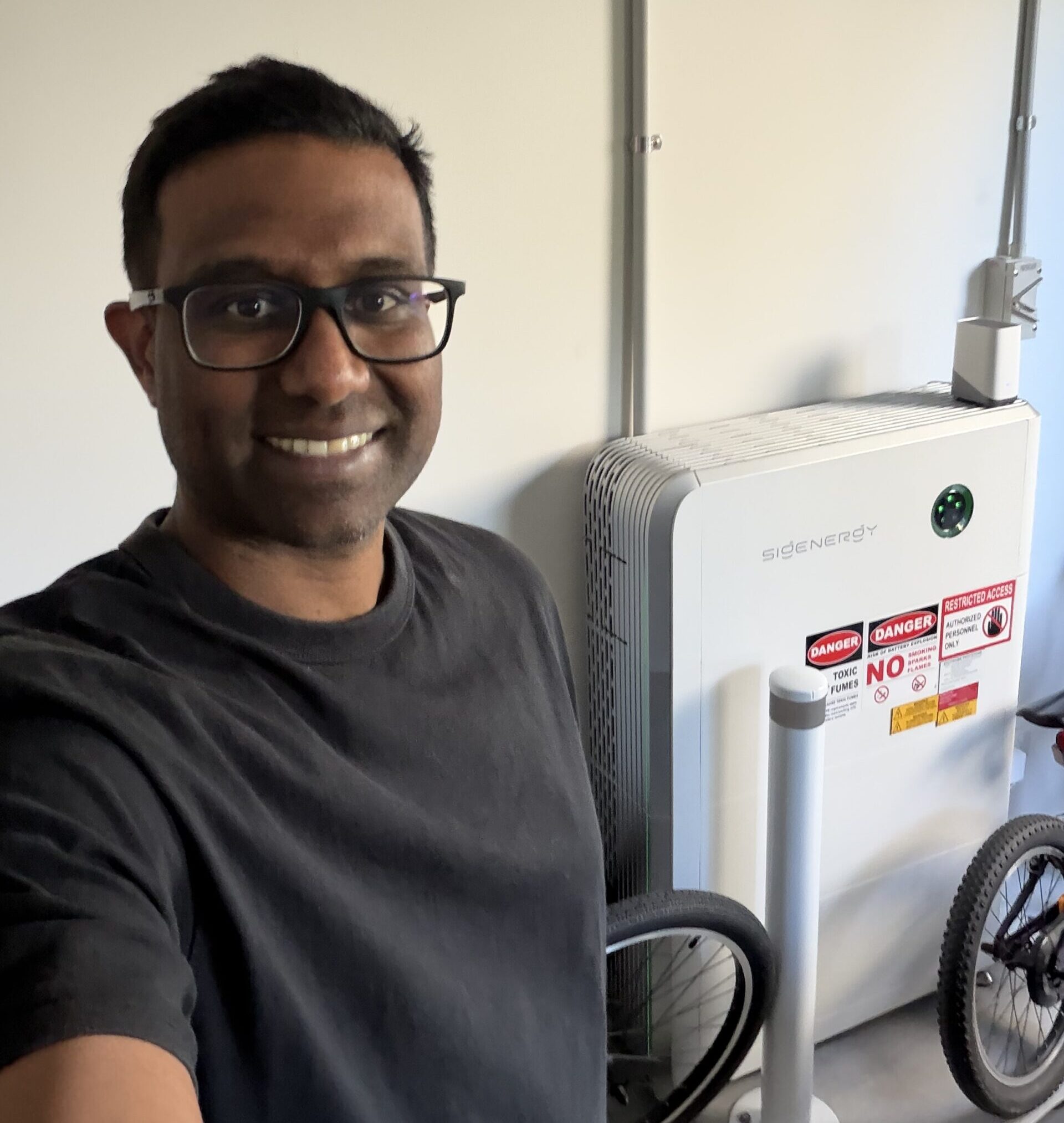
How Arun runs his battery for family life
"I enjoy the flexibility of being able to control how my battery charges and discharges on a daily basis depending on my needs, whilst also allowing me to set a regular schedule to maximise my feed in earnings." – Arun
Read more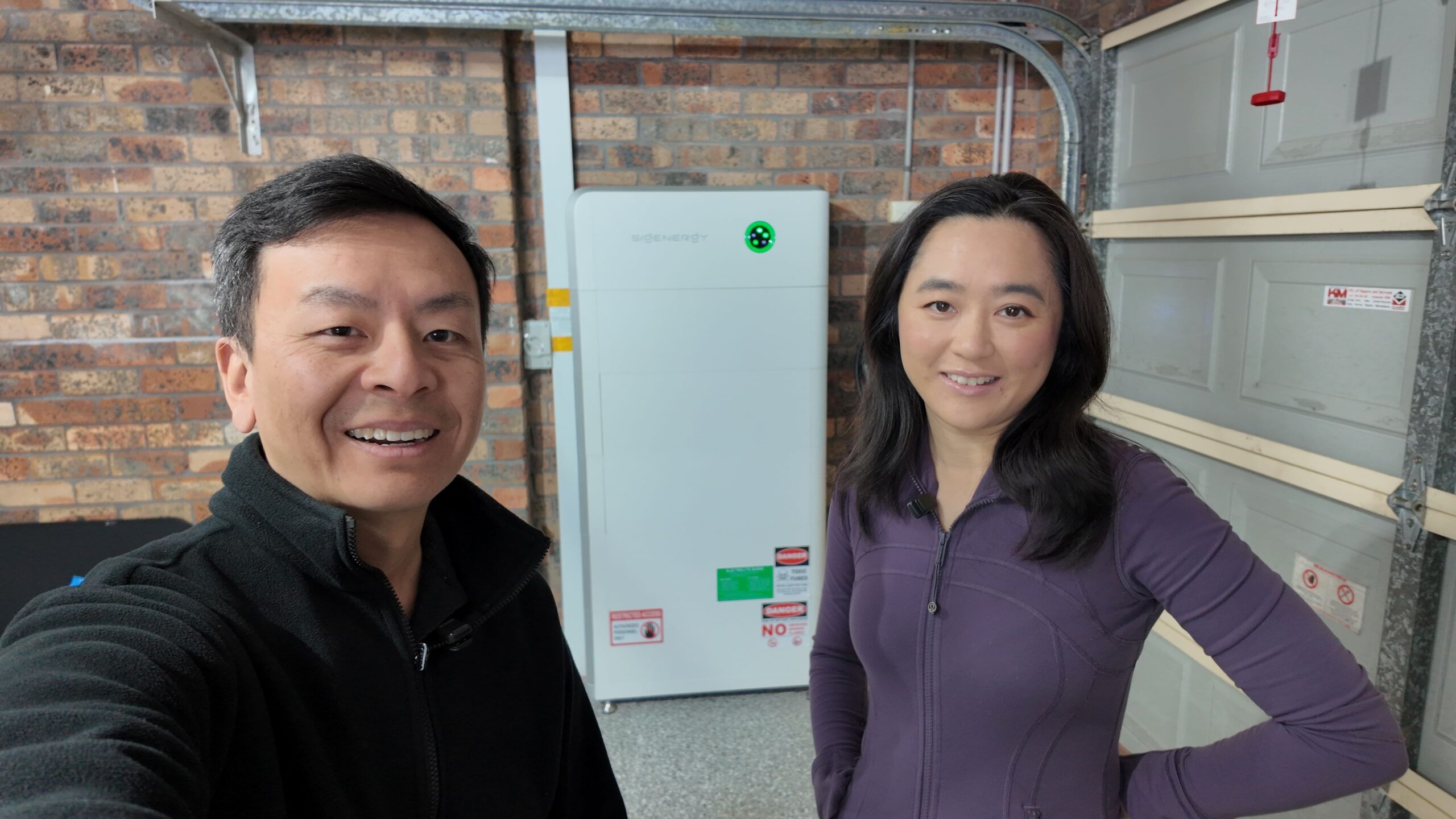
A ludicrously good result with Happy Hour
Tom and Joy run an all-electric home in Sydney with rooftop solar, a big battery and two EVs. After a stint on a wholesale-market plan, they moved to Flow Power, and shared their real bills on their YouTube channel, Ludicrous Feed. Here's what they found.
Read moreFAQs
Flow Power’s plans are built for people who want more control over their energy costs and have flexibility over when they use power.
Not quite. Peak and off-peak plans charge set prices at set times, every day. Our pricing follows when electricity is actually cheap or expensive across the grid, and adjusts your rate once a month based on your usage pattern. Your base rate is set by your network tariff. Some homes have one base rate all day, and some have different base rates at different times. Your Energy Fact Sheet shows which applies to you, and the monthly adjustment is added.
Yes. If most of your usage falls in the expensive window over a month, your adjustment will be a plus amount and your rate for that month will be higher than the base rate. The app helps you avoid this by showing upcoming prices, cheaper and more expensive times to use energy.
We look at when you used electricity across the month and what wholesale prices were at those times, then compare that with a benchmark: the average for Flow Power residential customers, which is already built into your base rate. If more of your usage falls at times when wholesale prices are lower than the benchmark, your rate comes down. If more falls at higher-priced times, it goes up. The full method, with worked examples, is on our Price Efficiency Adjustment Calculations explained page.
All our residential plans use a base rate plus/minus the monthly Price Efficiency Adjustment. Each plan adds its own extras, such as a boosted evening feed-in rate (Happy Hour) or free power from 11am to 3pm (up to 8kWh an hour, capped at 32kWh a day) on 4Free.
Ready to see what could work for your home?
Join the growing number of energy-savvy Aussies using their power when it matters.
Switch now
Questions? We’re here to help
Check out our FAQs for the answers to some of our commonly asked questions or get in touch with our team via the Live Chat icon in the bottom right corner.