





Electricity prices don’t rise and fall in a vacuum. In today’s interconnected energy system, events happening far beyond Australia’s borders can quickly influence local power markets – and impact the price of your electricity bill.
The effects of the ongoing conflict in the Middle East have been felt through global energy markets, with uncertainty leading to electricity price volatility, most notably in ASX futures markets.
Fortunately, spot prices remain largely unchanged thanks to the National Electricity Market’s (NEM) growing renewable capacity and limited price spikes in the domestic gas market, but the potential for the conflict to escalate or to be prolonged could lead to increasingly volatile market conditions.
Our energy specialists explain more about the impact for each state in the NEM, and how your business can effectively safeguard against future market price volatility.
Why global fuel shocks influence energy prices in Australia
Although Australia is a major energy producer, local electricity prices are still influenced by international fuel markets, especially gas.
Conflict in the Middle East increases uncertainty around global LNG supply, shipping routes and production. The war has impacted the supply of LNG from Qatar and shipments of gas that would normally flow through the Straits of Hormuz. Markets continue to adjust prices in response to risks and the supply and demand balance, all of which has the potential to push global gas prices higher.
So far, the price of gas in Australia has remained relatively insulated from the global shocks and domestic gas storages are full currently heading into winter. This is a relief for electricity users because increases in the price of gas can drive increases in wholesale electricity prices (and the associated futures products).
However, it is very difficult to predict how this situation will continue to unfold. We’ve seen in recent years how global conflict can impact energy markets worldwide.
In 2022, during the Russia and Ukraine conflict, global gas market disruption contributed to sharp electricity price spikes across the NEM and average Australian electricity bills jumped by around $400 a year.
Although the market response in this instance has been less extreme, with winter looming the risks of electricity price rises off the back of gas price rises remain. In the long-term, this reaffirms the importance of building an energy system that leverages Australia’s abundance of wind and solar.
The impact on forward prices throughout the NEM
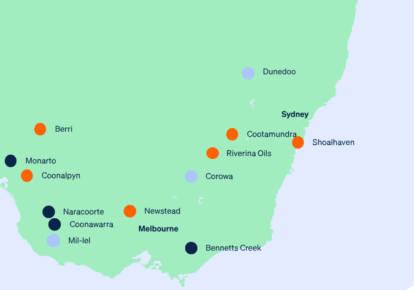
While all NEM electricity markets are linked, the impact of fuel market volatility varies state by state. This is primarily due to the varying levels of reliance on gas and its mix of generation sources:
- Queensland
Queensland has faced some of the strongest upward pressure on forward electricity prices. Its higher reliance on gas‑fired generation and LNG exposure means that shifts in global gas markets are felt more sharply, particularly following a period of low prices.
- New South Wales
New South Wales has reacted quickly in futures markets. Fuel cost increases combined with system reliability concerns are being priced in, pushing forward electricity prices higher.
- South Australia
South Australia has remained comparatively steadier. The state’s high share of renewable generation is helping reduce average price impacts.
- Victoria
Victoria has been relatively more moderated, supported by its baseload fleet, but is still exposed to broader market dynamics and fuel-driven price pressures.
Why market volatility matters for business electricity bills
For commercial and industrial energy users, global volatility in oil and gas markets can make electricity costs harder to predict and manage. Heightened market volatility can:
- Complicate budgeting and forecasting
- Increase risk around contract renewal timing
- Expose businesses to sudden cost increases
- Disrupt long‑term operational and decarbonisation plans
In fast‑moving markets, businesses can be left reacting to price changes rather than planning ahead.
How renewable energy can counter volatility
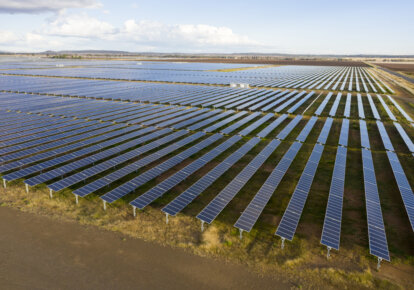
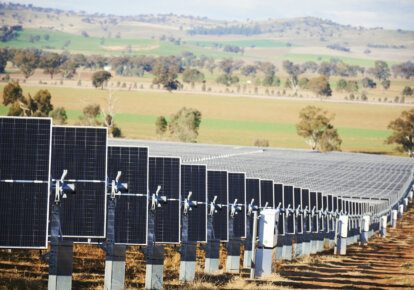
As Australia’s renewable capacity increases, electricity prices become less sensitive to disruptions in international fuel markets. This is already visible in regions like South Australia, where high renewable penetration has helped dampen volatility during periods of global uncertainty.
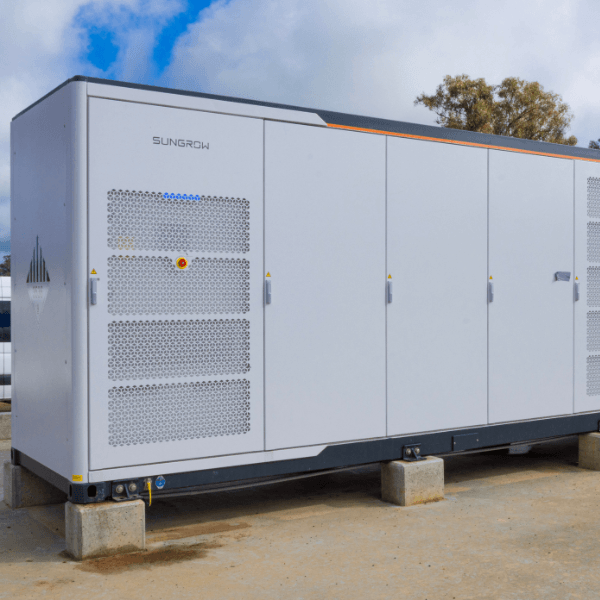
For businesses, renewable energy solutions, such as power purchase agreements (PPAs) and onsite assets like solar and batteries can:
- Improve long‑term cost certainty
- Limit exposure to market price volatility
- Support emissions reduction targets
While renewables don’t eliminate volatility entirely, they can significantly reduce the impact of global fuel shocks on electricity costs for the average consumer. It underpins how critical it is for Australia to transition rapidly and at scale.
Manage price risk with a forward contract
Many businesses are turning to forward electricity contracts to manage exposure in volatile markets. A forward contract allows you to lock in an electricity price now for a future supply period, without affecting your current contract.
Forward contracting can:
- Reduce exposure to short‑term market swings
- Improve cost certainty over 12–36 months
- Support long‑term budgeting and investment decisions
- Avoid the need to contract the market during peak volatility
In periods of rising global uncertainty, securing pricing ahead of time can be a valuable risk‑management strategy.
Take control in an uncertain energy market
Global fuel shocks are likely to continue to impact Australia’s energy system, until the market becomes less reliant on coal, oil and gas.
The conflict in the Middle East has only further highlighted that accelerating the transition to renewables is critical for Australia, providing lower cost energy, energy security and cutting climate pollution.
For businesses reviewing their energy strategy in this uncertain market, now is the time to consider:
- How exposed are you to global fuel price movements?
- Do you have sufficient certainty over future electricity costs?
- Can renewable energy play a larger role in your energy strategy to reduce exposure to volatility?
- Is your current contracting approach still fit for purpose?
Combining renewable energy with smart forward contracting can help your business protect against market volatility, improve cost certainty, and maintain control – even when global energy markets are unsettled.
Questions?
We’re here to help.
If you’d like to explore future pricing for your business, our team can provide a forward price snapshot based on current ASX data for your region, helping secure the best deal for the next 12-36 months.
Reach out to your account manager if you’re already a Flow Power customer. If you’re not yet a customer, contact us to get started.