




Building long-term sustainability for the University of Canberra

Building long-term sustainability for the University of Canberra

Helping the University of Canberra plan for its future as a resilient, sustainable campus

Case study overview:

Committed to the pursuit of the highest standards of social and environmental responsibility, the University of Canberra plans for its future as a resilient, sustainable campus.

“Environmental sustainability affects everyone at UC — students, staff, and members of our wider community. It is only by working together and accepting our personal responsibility for stewardship of the earth’s resources that we will achieve our environmental sustainability goals.”

– University of Canberra on its sustainability initiatives

Industry
Education
Location
Canberra, ACT
Service provided
Energy strategy and feasibility
Goal
Long-term sustainability and resilience

A campus to stand the test of time


Flow Power’s advisory team helped the University of Canberra set its placemaking strategy for future decades, by reimagining its campus in the context of energy and sustainability challenges and opportunities.

What we delivered

After studying the University’s plans and existing infrastructure, we created an integrated plan to address all aspects of energy and sustainability, focusing on practical, cost-effective delivery.

The study considered the feasibility and financial benefits of energy efficiency, strategic restructuring of energy sources, renewables, water-sensitive urban design, water treatment and many other aspects.

University of Canberra Case Study

More about the project

Our assessments

The project assessed alternative commercial models, technology and procurement options for the university to unlock value for the existing and future infrastructure, including a planned residential and commercial precinct.

Risk and cost analysis

We looked at these various options, as well as lifetime costs and benefits in financial, carbon and amenity terms. Part of this work was a robust cost benefit study, risk assessment and carbon reduction assessment for each option.

The results

Flow Power’s energy strategy will help the University continue to increase the efficiency of its operations, in terms of both cost and carbon emissions.

We’re helping Australia’s schools and universities make educated energy decisions

Whether it’s energy strategy and advisory, or securing long-term price certainty with a PPA, the Flow Power team can get your school connected with a sustainable energy solution.
Building the renewable future starts today

Need a new energy strategy for your business? Our engineering and advisory team are here to help.

Flow Power can help future-proof your business with our innovative technology and forward-thinking energy solutions.

Duxton Nuts

Cutting costs for Duxton Nuts with solar responsive technology and dams functioning as a battery

Cutting costs for Duxton Nuts with solar responsive technology and dams functioning as a battery

Discover how Flow Power’s engineering advisory and smart technology could lead to
over $2 million in energy savings

There’s a lot of change happening out there. I recommend using Flow Power to consider your options before committing to a path.”

Peter Hermmann, Duxton Nuts

Case study overview

Flow Power’s unique solution proposes to power Duxton Nuts’ irrigation and walnut processing infrastructure, while reducing carbon intensity and lowering energy bills. 


Project Engineer

Simon Evans Quote Duxton Nuts

Location
Yanco, NSW
Service Provided by Flow Power
Energy modelling & strategy
Goal
Reduce overall energy costs and increase carbon efficiency of operations
Renewables
200 kW solar PV system generating 100% clean energy 

Duxton Nuts

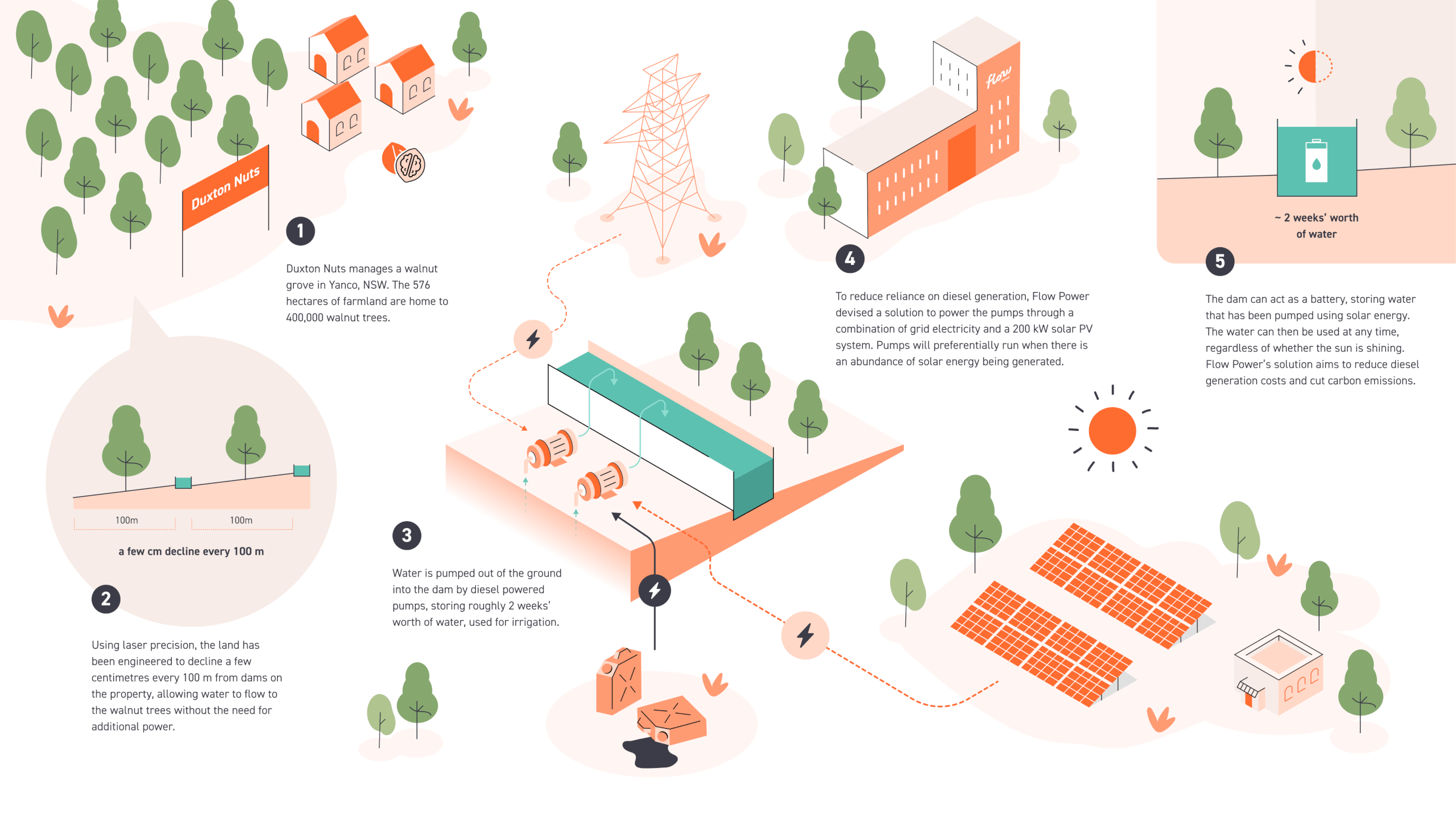
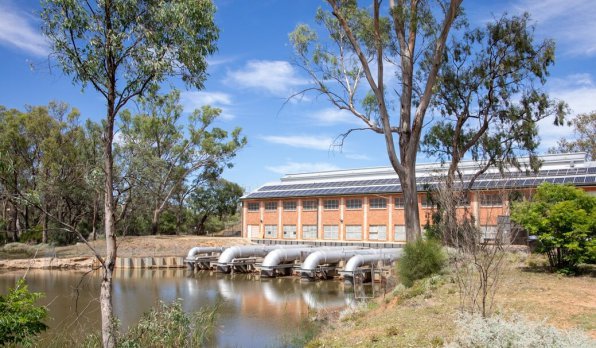
Duxton Nuts manages a 576-hectare walnut grove in Yanco, NSW; home to 400,000 walnut trees that require regular irrigation, with energy for pumps provided by a limited capacity network and diesel generators.

Irrigation is one of the most important operations and is critical for the success of a walnut orchard, but pumping water into the dam for irrigation is an energy intensive process – one made more costly by Duxton Nuts’ reliance on diesel generators.  

Diesel is a carbon intensive fossil fuel that is also responsible for many harmful airborne particulates. Switching to a renewable alternative offers both cost and carbon benefits for Duxton Nuts. 

The challenge

Flow Power was approached by Duxton Nuts to investigate an alternative solution, with the aim of reducing dependence on diesel and cutting overall operational costs and carbon emissions.

The business is actively pursuing sustainable solutions and opportunities in order to achieve its Sustainable Development Goals. 

To assist in determining an appropriate power supply solution for the walnut grove, Flow Power conducted the following: 

  • Modelling of the current and future power requirements onsite 
  • A review of potential network infrastructure requirements for the site 
  • Network infrastructure indicative design 
  • A review of potential power supply options 
  • Techno-economic assessment of the identified power supply options 

When asked about potential power supply options, Simon Evans, Head of Engineering & Advisory at Flow Power, explained “Duxton Nuts was open to all options, including combinations of grid connection, biodiesel, small-scale wind, small-scale hydro, agricultural waste combustion, batteries and solar.” 

“We even considered several types of solar: roof-mounted, ground-mounted, floating solar on the dams, and mounted along water channels. We considered the cost, sustainability, and practical feasibility of them all.” 

“Solar generation, of course, isn’t 100% predictable, so the challenge is often to match consumption with generation.” 

The solution

“Practicality and cost-benefit considerations made rooftop solar a clear winner”, stated Simon, discussing the solution Flow Power proposed.  

“After thinking about the capital costs, operational costs and security-of-supply risks for the various options to meet excess demand, we settled on a standard grid connection along with some additional internal reticulation.” 

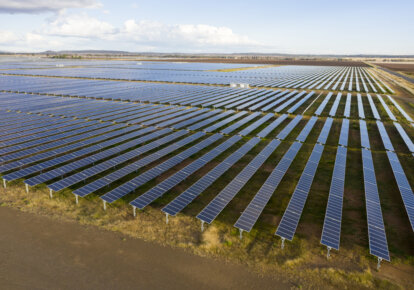
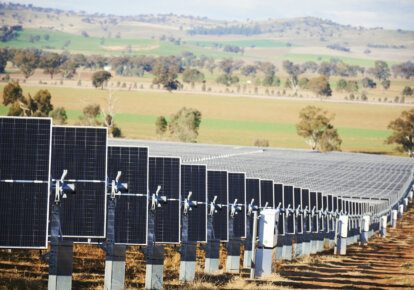
Flow Power’s solution involves installing a 200 kW solar PV system on site, coupled with smart technology to create a solar responsive pumping schedule.

This means that the water is preferentially pumped into the dam when there is an abundance of solar energy being generated. The water is then stored in the dam to be used as required. 

As a result, this allows the existing dam on the property to function as a battery, storing water that has been pumped using solar energy, which can be used at any time, regardless of whether the sun is shining. 

“The key insight was that we could use the dams to keep grid electricity costs down and make much more efficient use of solar energy. The dams store a supply of reserve irrigation water — around 2 weeks’ worth — that’s built up by using the pumps when solar energy is available.


“This reserve supply also acts as a buffer, allowing the pumps to drop a little behind when solar isn’t available, without hurting final water flows.”
 

The solution supports Duxton Nuts’ commitment to decarbonisation, while also reducing operational costs by shifting usage to periods when solar energy is abundant.

Peter Herrmann of Duxton Nuts has been impressed with Flow Power’s high levels of service and prompt feedback on design, advising other businesses to seek an energy solution from our team. 

The technology behind the project

Solar panels

The proposed 200 kW solar PV system is a cost-effective, sustainable way to power energy intensive irrigation pumps. 

Our team of engineers will install solar panels on site to generate solar energy and reduce reliance on the grid.  

The solar will be distributed from the roof of a new processing facility to all pumps and assets on site, via an internal high-voltage network solution proposed by Flow Power’s Engineering team. 

Learn more about Flow Power’s solar capabilities.

Solar responsive pumping

The solar responsive schedule uses timer controls and integrated communication technology to signal pumping assets to run during daylight hours, when the solar PV system is generating power. 

By shifting pumping to a solar responsive schedule, Duxton Nuts can maintain its operational output, while optimising the use of renewable energy to save money and reduce carbon emissions. 

The final result is the same – the dam is filled with water ready to be used for irrigation, but the power used throughout the process is cleaner, cheaper and more efficient. 

kWatch

kWatch is an integral part of the solution Flow Power provided. 

Installation of this smart device enables communication between the solar system and irrigation pumps, to programme the solar responsive schedule. 

Providing customers with simple and accessible energy usage insights, kWatch enables faster decision-making, demand response, and can remotely power down non-critical operations at the click of a button.  

Learn more about kWatch.

The results

Lower energy bills

With Flow Power’s proposed energy solution, our team of energy experts estimate savings of over $2 million over a 20-year period. 

Compared to other sources of power, diesel generators use expensive fuel, have a high cost for spare parts and require regular maintenance.  

By installing a solar PV system and adjusting pumping times to periods where renewable energy is most abundant, Duxton Nuts can avoid high energy prices and reduce energy costs. 

Reduced carbon emissions

Through the solar simulation Flow Power conducted, we estimate 30% of all energy will be contributed by zero-carbon solar. 

Implementing a solar PV system reduces the demand for grid electricity, which is a mix of multiple energy sources including carbon intensive fossil fuels. 

By removing the need for diesel generators, Duxton Nuts reduces dependence on diesel, making significant savings in overall carbon emissions produced. 

Reaching sustainability goals

Duxton Nuts is actively pursuing sustainable solutions and opportunities as part of achieving Sustainable Development Goals. Read more here.

Flow Power is proud to be assisting Duxton Nuts in realising its energy opportunities, as we create the renewable future together.  

Find a smart energy solution for your business

Discover how our engineering services can help your business cut costs and reach sustainability targets.

Speak to one of Flow Power’s energy specialists today.

AGRANA: achieving cost and carbon savings with a PPA

AGRANA: achieving cost and carbon savings with a PPA

Learn more about the PPA that has saved AGRANA 10% on its energy costs and made strides towards sustainability targets

Case study overview

In 2019, AGRANA signed a combined wind and solar Power Purchase Agreement (PPA) with wholesale electricity price access to help cut costs and work towards ambitious sustainability targets.

Since then, it has actively participated in the Australian Energy Market Operator’s (AEMO) Reliability and Emergency Reserve Trader (RERT) program.


Industry
Food manufacturing
Goals
Carbon-neutral by 2050
Renewable projects
Matches over 75% of its demand with a mix of solar from Bomen Solar Farm (65%) and wind from Sapphire Wind Farm (35%)
Power plan
Power Purchase Agreement with wholesale electricity market price access and a quarterly ceiling

AGRANA manufactures fruit-based products on the Central Coast of NSW, with a focus on delivering quality products sustainably.

In 2019, AGRANA signed a Power Purchase Agreement, or PPA, matching over 75% of its energy demand with a mix of solar and wind generation, from Bomen Solar Farm and Sapphire Wind Farm.

Switching to a PPA and participating in RERT, has helped AGRANA reduce the cost of its energy by 10%. The site is also able to use its onsite backup generators to lower energy bills through other value streams, such as the RERT scheme, helping reduce strain on our shared electricity grid during periods of extreme demand.

AGRANA’s sustainability targets

  • Reduce energy consumption by 5% in its operations by maximising the efficiency of its processes and preserving resources by 2025
  • Achieve carbon neutrality across its operations by 2040
  • Achieve carbon neutrality across its entire value chain by 2050

AGRANA has made a goal to reduce its carbon footprint, water consumption and waste, to protect and enhance biodiversity and soil health.

By matching its demand with renewable energy, AGRANA is reducing its carbon footprint and working towards a more sustainable future.

Results

Reduced carbon intensity

Signing a renewable energy PPA helps AGRANA work towards its target of decarbonisation by 2050.

In 2019, AGRANA had already purchased renewable generation to match 7% of its use, with the majority of this coming from onsite biogas or biomass. AGRANA expects that this could increase by a further 11%.

Lower energy bills

AGRANA’s electricity costs dropped by 10% in 2019, compared to 2018.

This financial benefit is mainly attributed by switching to a PPA, as energy use remained consistent during this period.

Supporting the grid

AGRANA is an active participant in the ARENA/AEMO RERT program.

Under the RERT program, AGRANA responds a few times per year to certain market events, where there isn’t enough electricity to meet demand, by disconnecting from the grid and switching on its generators.

Click here to learn more about Reliability and Emergency Reserve Trader (RERT).

Community impact

As part of its energy contract, AGRANA has two Power Purchase Agreements.

Through these agreements, it is linked to two of Flow Power’s offtake partner projects; Sapphire Wind Farm and Bomen Solar Farm.

These projects help to support local communities, create new employment opportunities and work towards our shared goal of building the renewable future.

Corporate social responsibility

AGRANA’s global head office has committed to CO2-neutral production by 2040 and developed a concrete Decarbonisation Strategy by 2050.

AGRANA’s sustainability reporting, which is GRI accredited, has been integrated with its Annual Reports since 2012.

It has also developed new sustainability targets for its fruit business in 2019/20 following a stakeholder survey, which ranked “energy consumption and emissions” as its highest environmental, social and economic impact.

Discover what a PPA can do for your business

By subscribing you agree to receive marketing communications from Flow Power. You can unsubscribe at any time.

Questions about this case study?

We’re here to help.

Speak to one of our energy specialists today.

The City of Sydney’s commitment to sustainability

The City of Sydney’s commitment to sustainability

Case study overview

The City of Sydney is creating change through a Power Purchase Agreement (PPA) that matches 100% of its forecast energy consumption from renewable projects. The city is influencing businesses in its local government area to follow suit by switching to a renewable energy provider.

Renewables
Renewable energy that matches 100% of electricity used from the grid, 24% solar and 76% wind.
Goals
Commitment to purchase renewable energy that matches 100% of the energy it uses from the grid.
Projects
City of Sydney‘s energy is linked to three different renewable projects: Bomen Solar Farm, Sapphire Wind Farm, and Shoalhaven Solar Farm.
Power plan
10 Year Power Purchase Agreement with wholesale spot price access and a quarterly ceiling.

Matching energy consumption from wind and solar farms

From 1 July 2020, the City of Sydney began matching their energy consumption from wind and solar farms in regional New South Wales.

The agreement includes supplying energy to approximately 115 buildings (including libraries, community halls, office buildings, 75 parks, 5 pools and 23,000 street lights!)

The City of Sydney’s Power Purchase Agreement is one of the largest standalone renewable electricity agreements for an Australian council to date.

Renewable projects linked to The City’s PPA

Bomen Solar Farm

The Bomen Solar farm is a 100 megawatt (MW) operating solar farm located on Wiradjuri land, in the Wagga Wagga Special Activation Precinct.

Operating since 2020 it produces enough clean, reliable energy to power ~36,000 Australian homes each year.

Sapphire Wind Farm

Sapphire Wind Farm is located on Ngarabal Country, 18km west of Glen Innes, in the New England region of northern NSW.

It is the largest operational wind farm in New South Wales.

Shoalhaven Community Solar Farm

The 3MW Shoalhaven Community Solar Farm is located on the south coast of New South Wales on Yuin country.

This project was primary financed, built, and is operated by Flow Power, but brought to life with significant support from The City of Sydney and Repower Shoalhaven.

How The City meets its goals through their energy contract

Buildings in the City of Sydney area account for around 80% of greenhouse gas emissions.

“As Sydney grows it is important to design and build efficient and environmentally smart buildings to reduce greenhouse gas emissions, water use and waste generation. We have set targets to reduce greenhouse gas emissions levels 70% by 2030 and achieve net zero emissions by 2050.”

– City of Sydney’s Guidance on sustainable development

city of sydney harbour bridge at night time
Reduced carbon intensity

In its Green Report (January to June 2020), the City of Sydney estimated the agreement will reduce their net greenhouse gas emissions by 32 per cent – the single largest measure by some distance.

The PPA will help them achieve their net emissions reduction target of 70 per cent by 2030.

Lower energy bills

The City of Sydney has estimated they will save 8% (approx.) on its electricity costs, delivered through their PPA.

Supporting the grid

By having a high matched renewable load, the City of Sydney supports the development of the right technologies that suit their energy use profile, encouraging the escalation of other renewable generation that helps to stabilise demand on the grid, such as wind and batteries diversifying our energy supply.

The City of Sydney is also working on demand management measures to further support the grid and local network. Flow Power are continuing to support the City of Sydney with energy solutions.
Community impact

Their PPA is the first in Australia to include a community energy project – the Shoalhaven Community Solar Farm, constructed by Flow Power. The City of Sydney’s purchasing power and their direct support for the project is what enabled the construction of this solar farm.

This project was the vision of Repower Shoalhaven, a community energy group and not-for-profit social enterprise that have a commitment to move away from fossil fuel generation. A total of $500,000 was raised by local investors from Repower Shoalhaven to help fund a portion of the project.

This project helps support it’s local community by creating new employment opportunities and providing a template for future community renewables projects in the area – an important requisite for the City when searching for a renewable energy contract.

The City is also leading-by-example by encouraging other organisations in its local government to source renewable energy off-take.

Environmental impact

The City of Sydney’s PPA with Flow Power was influenced by its sustainability goals. After annoucing a climate emergency in 2020, the City decided to increase its 50% renewable energy target to 100%.

Through their agreement, the City sources  electricity equivalent to 100% of its usage, which is added to the national electricity grid on their behalf. About three-quarters of the power is wind-generated, and the remaining quarter is generated by solar.

The generators at Sapphire Wind Farm, Bomen Solar Farm and Repower Shoalhaven (solar) are contributing to the City’s target of 44% reduction in net greenhouse gas emissions by end June 2021 (based on 2006 levels).

Want to know how a Power Purchase Agreement could work for your business?

Speak to one of our energy specialists today.

Power Active: Customer Stories

Power Active: Customer Stories

The energy market is never static. So you shouldn’t be stuck with fixed rates – especially when prices drop. That’s why our Power Active plan gives you a flexible, easy way to take control of your business’s energy costs.

We’ve helped Power Active customers from various industries save more than $1.2m off their original contracted rate – an average of $5,600 per contract year! Here are some of their stories.

flashing-light-bolt

The Grange Golf Club

From their championship course to their award-winning hospitality, the Grange Golf Club in South Australia is one of Australia’s premier sporting venues.

Looking for a smarter way to save on energy costs, they signed up for our Power Active plan in 2021 and purchased the Active Option. And they haven’t looked back.

Barry Linke, the club’s General Manager, particularly loves the versatility of our Active Option: “There’s flexibility to move to lower prices when the market decreases – a feature I haven’t seen in past electricity contracts.”

That’s why the Grange Golf Club is set to save up to 10% on its energy rates going forward.

Knowing how much they can save, the Grange Golf Club is looking forward to a long and fruitful partnership with Flow Power.

“Since learning about our savings, we’ve decided to extend with Flow Power beyond the original term,” says Barry.

Gazzola Farms

Gazzola Farms, a family business in Somerville, Victoria, has been supplying quality fresh produce to Australians for 90 years and four generations.
Growing in-demand vegetables like broccoli, lettuce, celery and Asian greens year-round requires a lot of resources. So the choice of energy supply is crucial.

That’s why Gazzola Farms recently transitioned to our Power Active plan and purchased the Active Option, which can let them lock in a lower rate if the market drops.

But if the market goes up? They’re still protected.

Best of all, when they’re busy with their farms, the family doesn’t have to worry about watching the energy market. That’s because we notify them if there’s an opportunity to save.

And this flexibility has saved them 12% on their energy rate.

“The Active Option gave me peace of mind because Flow Power was monitoring the fluctuations in the energy market,” says Paul Gazzola, the Director of Gazzola Farms.

Good Food Partners

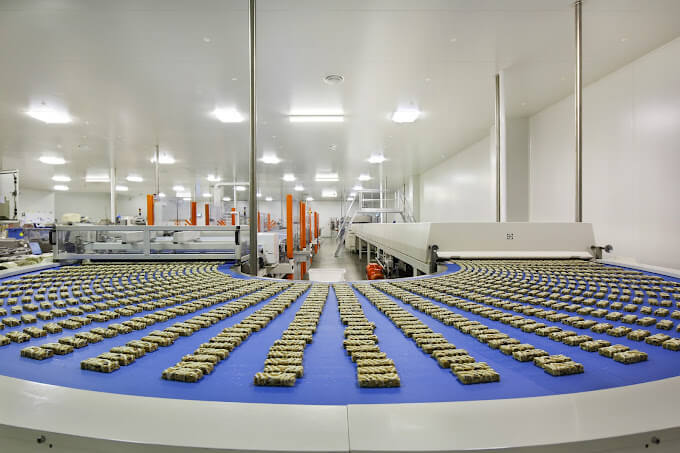
Good Food Partners is the name behind some of Australia’s best-known healthy snacks and breakfast foods – including Sam’s Pantry.

In 2020, they signed on to Power Active with our Price Efficiency Adjustment (PEA) feature. That means their bill is adjusted according to how and when they use energy relative to the market.

Saving money in line with their actual usage has made a huge difference for Good Food Partners.

“As a food production business, we have shifts at all hours. This means our electricity consumption is fairly constant throughout the day and night,” explains Jay Mamtora, Head of Sourcing.
“After speaking with Flow Power, we realised that we weren’t being rewarded for how we used power under a standard peak and off-peak pricing model.”

With both the Active Option and PEA, Good Food Partners has found a flexible, easy way to maximise their savings, 24/7 – now and in the future.

Is Power Active a good choice for your business?

No matter what your industry, we want to help you use energy more efficiently to drive significantly improved cost outcomes for your business energy.

Get in touch to find out how Power Active – and its Active Option and PEA features – can benefit your business.

Speak to a friendly team member straight away (within business hours):

Tweed Shire Council’s plan for a greener tomorrow

Tweed Shire Council’s plan for a greener tomorrow

In 2020, the Tweed Shire Council set some ambitious sustainability targets.

“Reducing carbon emissions isn’t just about the positive results for our environment. It’s also about building stronger community resources that will stand the test of changing times.”

Is your council or water authority searching for a more sustainable energy plan? One that offers value and real-time control of the market rate?

That’s the challenge Tweed Shire Council set itself in 2020.

And to meet its goal of zero net carbon emissions by 2030, the Council found the perfect partner in Flow Power.

Located in the Northern Rivers region, Tweed Shire Council (TSC) is the largest council on the north coast of NSW. In 2020, the Council set ambitious new policies to combat the challenges of climate change.

And Flow Power was ready to help future-proof its power sources.

The challenge: Big power without the big carbon footprint

TSC delivers more than 50 services to approximately 94,000 residents. In addition to powering its public buildings, it manages streetlights and large water and wastewater operations.

The Council’s energy use is therefore high – at around 20,000 MWh per annum. This presented a challenge to its new Climate Change Management Policy.

But the Council was undaunted: “Our Council has a key role to play in reducing emissions,” said Michael Wraight.

“There is a community expectation, legislative requirement and moral obligation for TSC to address climate change.”


The goal: Reduce emissions and increase resilience

Reducing carbon emissions isn’t just about the positive results for our environment. It’s also about building stronger community resources that will stand the test of changing times.

“We must ensure that our assets and services are resilient to the predicted impacts of climate change,” said Michael Wraight.

So, the Council set the following goals:

  • A 25% reduction in electricity-related carbon emissions by 2022
  • A 50% reduction by 2025
  • Net zero carbon emissions by 2030

The solution: A tailor-made Power Purchase Agreement

But how to meet these targets? First, TSC installed onsite solar power at several sites – and has plans for more installations to follow.

Second, it sought offers for a new electricity plan that would support the transition to renewable energy – and supplement the solar installations.

That’s where Flow Power’s Power Purchase Agreement (PPA) stood apart from the competition. Our PPAs are tailored to a business’s needs and energy goals.

We match the user’s energy-use profile and onsite assets with a mix of renewable projects. That means users gain access to wholesale energy rates – in addition to wind and solar projects.


The result: Accessible and affordable power linked to wind and solar projects

“Flow Power provided a traditional retail interface but allowed access to wholesale market pricing – as well as a PPA with new wind and solar projects. This PPA offered a good load match for our requirements,” said Michael Wraight.

So TSC entered a PPA with Sapphire Wind Farm (Invernell, NSW) and Bomen Solar Farm (Wagga Wagga, NSW). And it’ll procure approximately 9,000MWh per annum from wind and solar power – a strategy set to complement its climate change planning for the next 10 years.

By matching various kinds of renewable energy with its assets and power needs, TSC is on track for a more sustainable future.

Going with the flow

Better still, with Flow Power, energy linked to wind and solar projects is also cost effective. Because TSC controls its local government water assets, it benefits from a wholesale agreement that mixes fixed rates through the PPA and variable rates through the wholesale market.

Previously, TSC optimised power use for its water-pumping operations around peak and off-peak periods.

But with Flow Power, TSC can use its energy differently.

During high-price events, it can load shed. When the energy market rises, TSC can minimise its costs through carefully reduced energy use.

And when the market drops, it can load shift – using more power at a lower price.


More control – with lower costs

To ensure its assets are always pumping at the best value, TSC uses Flow Power’s Market Monitoring Service.

Flow Power’s team monitors the market throughout the day – and night. So when the market rate changes, we notify the Council via SMS and email. And just like that, TSC knows to adjust its load – and avoid those peak prices.

What’s more, with our kWatch Controller, TSC will be able to monitor its power use in real time. When installed onsite, this intelligent technology allows TSC to:

  • View live data feeds of its exact power use at any time
  • Monitor the cost of its energy through the user portal
  • Automatically adjust usage in response to market changes
Want to know how a Power Purchase Agreement could work for your business?

Speak to one of our energy specialists today.

How Yarra Valley Water reduced costs with demand response

How Yarra Valley Water reduced costs with demand response

Securing Yarra Valley Water’s energy supply

Flow Power helped Yarra Valley Water, Melbourne’s largest water retailer, reduce operational expenditure through a proactive approach to power management.

Yarra Valley Water’s Greenhouse Gas and Energy Specialist, Simon Prunster, offered insights into the role energy plays within the water sector.

“We provide an essential service that is dependent on consuming electricity. Put simply, without energy we could not function in our current mode of operation and this would have a major impact on the health and wellbeing of Melbourne.”

“We require a reliable supply of electricity to ensure we meet our Statement of Obligations in the provision of water and sanitation services on behalf of the Victorian Government.”

“The risk of blackouts causing unacceptable sewage spills has led the business to make capital investments in backup diesel generators that are rarely used.”


In addition to supplying Yarra Valley Water with electricity, Flow Power helped to manage energy cost risks. This was one of the key advantages of partnering with Flow Power, over alternative retailers.

“Managed exposure to pool pricing is not a service offered by many retailers. At the time of the VIC Water approach to market, on behalf of various water retailers, Flow Power was uniquely placed to meet our specific requirements. This is why we chose them and why we recontracted with them.”

Prunster states, “As part of the retail supply contract at these sites, Flow Power actively assisted Yarra Valley Water with risk management through either remotely activating back-up generation or advising plant operators to shed load to avoid high pool prices.”

“This type of active approach to electricity management gave Yarra Valley Water greater exposure to the wholesale price, and we did this with a view to reduce electricity costs.”

Prunster says Flow Power helped Yarra Valley Water change the way it used power, and minimise operational expenditure by managing energy-supply risks through demand response.

“Don’t be afraid of pool pricing if you can put in place strategies to manage risk, such as an effective demand response program.”

–  Yarra Greenhouse Gas and Energy Specialist, Simon Prunster


How does demand response work?

At Yarra Valley Water’s larger sites, they went from being passive consumers to having operators actively manage demand response events, to reduce operational expenditure. In executing this strategy, there was more work involved for the business, and it required coordination throughout the business.

Prunster says demand response was not an easy thing to get right straight away, but the more they participated, the better they got. It was an ongoing learning process.

Ultimately, they reached a level of demand response maturity. The business became used to making decisions based on cost versus benefit analysis.


Operators gained confidence making informed decisions on whether or not to participate in a demand response event, dependent on the specific circumstances at each site.

With Flow Power’s assistance, Prunster says Yarra Valley Water was able to avoid high pool price events through the implementation of a demand response program.

“Don’t be afraid of pool pricing if you can put in place strategies to manage risk, such as an effective demand response program.”

“By taking on exposure to pool pricing, all you are doing is paying the actual price of electricity, and if you execute a demand response strategy, then you can avoid paying the risk premiums that are inherently factored into the traditional retail price.”

Flow Power’s, CEO, Matthew van der Linden says there is “a lot of room for flexibility” within the energy retail space, and all it takes is a “little extra effort” to create a water-energy partnership that works.“

“We also worked closely with Yarra Valley Water’s metering. We installed our kWatch Intelligent Controllers onsite to match its generation and energy use to the signals of the market,” says van der Linden.

“Many water boards had been offered fixed rate contracts for their electricity supply. Following conversations with the Flow Power team, Yarra Valley Water were able to unpack the options for a more flexible arrangement.”

Questions about demand response? We’re here to help.

Learn more about our smart energy solutions for the water sector.

If you’re a Flow Power customer already, please reach out to your dedicated Client Solutions Manager.

If you’re not a Flow Power customer contact our friendly team today:

Sydney Opera House

Sydney Opera House

Solar panels weren’t exactly going to fit onto its iconic sails

Sydney Opera House is a symbol of modern Australia. One of the world’s busiest performing arts centres and Australia’s premier tourist destination, the Opera House is recognised as one of the 20th century’s most iconic buildings.

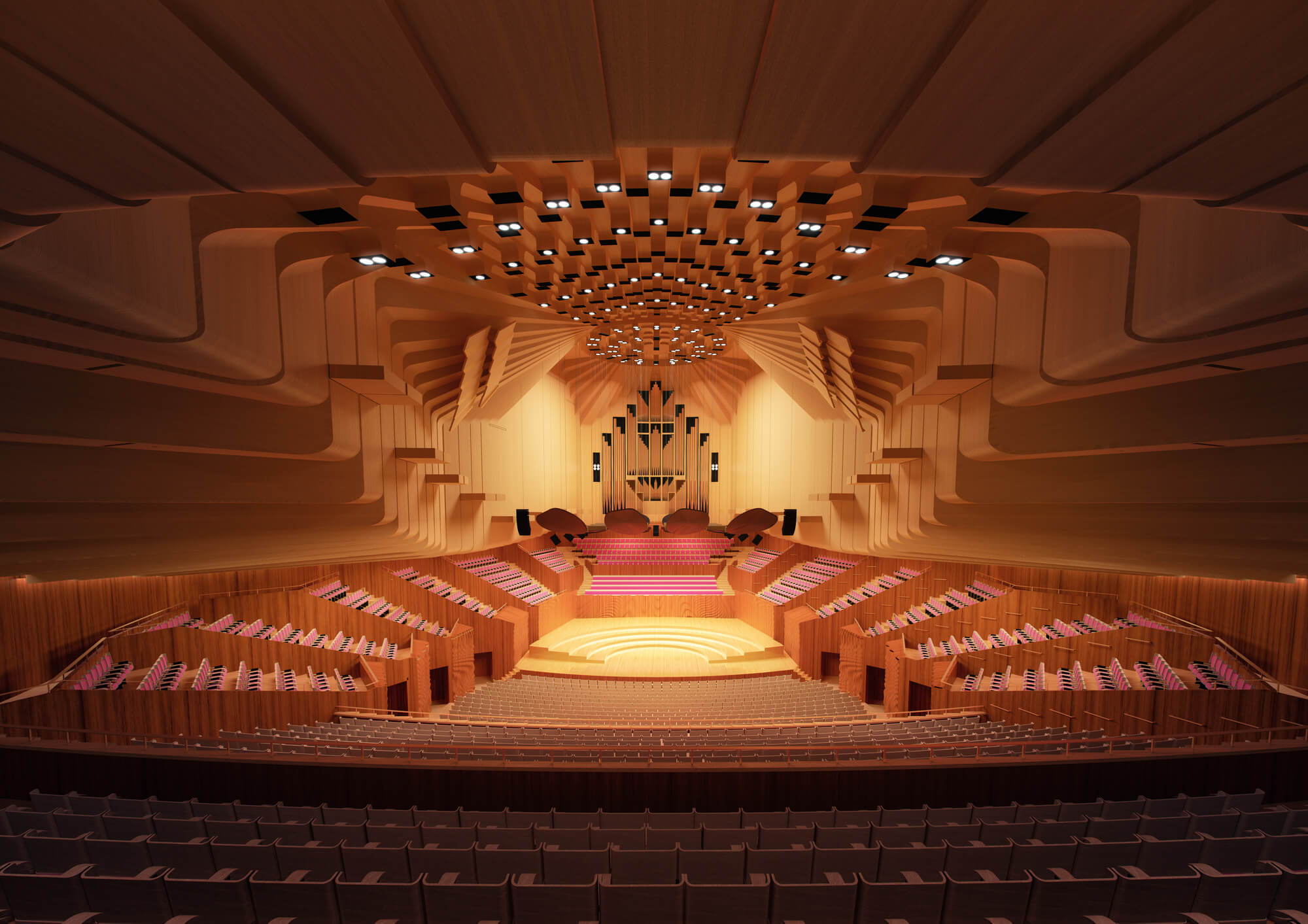
As part of its long-term environmental sustainability plan, the Opera House was working towards the goal of carbon neutrality. To help meet its objectives, the Opera House set out to find a green energy supplier and made the decision to switch to renewable energy. But solar panels weren’t exactly going to fit onto its iconic sails.

Following a competitive tender, the Sydney Opera House has entered into a seven-year Power Purchase Agreement (PPA) with Flow Power.

“This deal brings us another step closer to our long-term renewable energy goals and will deliver significant savings in operational costs over its seven-year period”

– Ian Cashen, Sydney Opera House Executive Director of Building Safety & Security

The Opera House is Australia’s first heritage-listed building to commit to this innovative energy retail model, joining a growing number of high-profile organisations leading the way towards a low carbon future through investment in large-scale renewable projects. This deal brings us another step closer to our long-term renewable energy goals and will deliver significant savings in operational costs over its seven-year period.” said Ian Cashen, Sydney Opera House, Executive Director of Building, Safety & Security. 

Whether at the ballet or watching the lights of Vivid, you can rest assured knowing that the Sydney Opera House is enabling the future of renewable wind and solar developments in New South Wales.

While sustainability is embedded in the Opera House’s history, it is now a part of its future too.

Want to know how a Power Purchase Agreement could work for your business?

Speak to one of our energy specialists today.

Pernod Ricard Winemakers

Pernod Ricard Winemakers

100% renewable in Australia by mid-2019

“We are excited to be leaders in defining the future of sustainable business in a rapidly changing environment,” says Helen Strachan, Legal and Corporate Affairs Director, Pernod Ricard Winemakers.
Putting goals into action.

Pernod Ricard Winemakers is the premium wine division of Pernod Ricard.

Founded in 2010 but with roots dating back to 1847, Pernod Ricard Winemakers is responsible for creating one of the world’s most diverse portfolios of premium wines. Its key brands include Jacob’s Creek from Australia, Brancott Estate and Stoneleigh from New Zealand.

Pernod Ricard Winemakers committed to sourcing 100% renewable electricity in Australia by mid-2019, supporting the company’s global sustainability and responsibility goals. The team was recently recognised by the South Australian Wine Industry Association as a climate change champion for the fourth time in five years.

In 2018 the winemakers celebrated the official “switch-on” of 1MW of solar-generated electricity at its Barossa Valley Winery, marking the first completed stage of the company’s massive 2.8MW solar installation project.

When completed in mid-2019, this will be the largest combined winery solar installation in Australia and will supply 20% of the business’ annual electricity usage, supporting the creation of some of Australia’s leading iconic wines from Jacob’s Creek.

To reach 100% renewable electricity, Pernod Ricard Winemakers also signed a landmark 10-year Corporate Renewable Power Purchase Agreement (PPA) with Flow Power, to connect the business with renewable electricity sources. The deal connects to both offsite wind and solar farms and was the first of its kind in South Australia.

Through this deal 80% of the business’ annual electricity requirement will be met by solar and wind for the next 10 years.

Leaders in sustainable business.

Pernod Ricard Winemaker’s commitment to its own solar project, combined with its PPA with Flow Power, will power its ambitious goal to source 100% renewable energy for its operations by mid-2019 – well ahead of its original plans.
The agreement is testament to Pernod Ricard Winemakers’ commitment to sustainability and responsibility.

Helen Strachan, Pernod Ricard Winemakers’ Legal and Corporate Affairs Director says, ”The business is doing everything within our means to draw upon renewable energy, both in terms of our own renewable electricity sources at our winery and our commitment to supporting the renewable energy industry.”

“We are excited to be leaders in defining the future of sustainable business in a rapidly changing environment.”

David Evans, Director of Commercial and Engineering of Flow Power comments: “Flow Power is excited that Pernod Ricard Winemakers will be our first South Australian Hybrid Power Purchase Agreement (PPA). By matching both solar and wind PPAs, Pernod Ricard Winemakers receives a cost-effective means to get to 100% renewables.”

MultiCube Stockfeeds

MultiCube Stockfeeds

Making hay while the sun shines

We’re hoping Flow Power can save us millions in the coming years as our production increases to meet demand” says the Manager, Bruce Riddell.

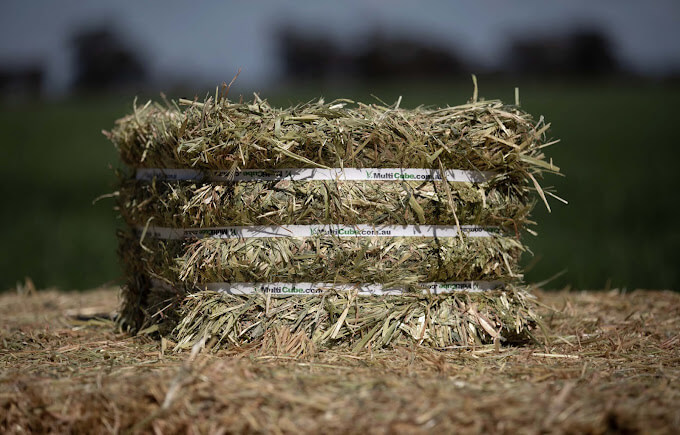
MultiCube Stockfeeds began in the 1980s with the idea of finding better and more efficient ways to feed Australian livestock. The business began with round and square bales for the equine industry. Noticing hay cubes had been popular in the United States for decades Robert Riddell could see the benefit to Australian farmers also.

Intelligence on site, advice when it matters

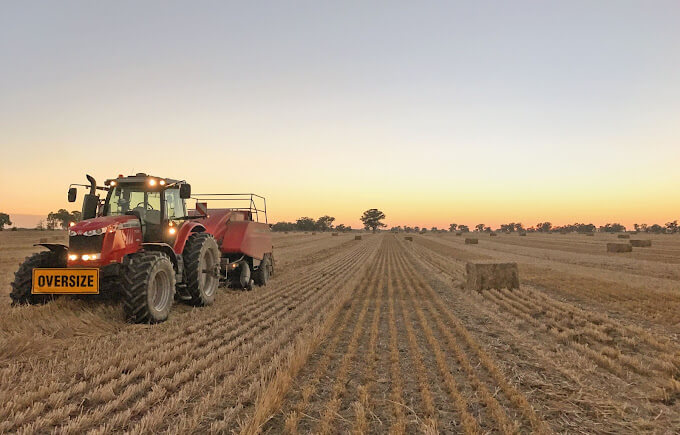
Pressing hay is an energy-intensive business with large machinery running throughout the day to support the process. Fortunately, MultiCube has been able to work with Flow Power to schedule manufacturing and packaging around peak times to keep energy costs low.


MultiCube installed the kWatch Controller on site to avoid price events and reduce demand costs.

We follow their advice on price events strictly and it’s saved us heaps in recent months,” said Sales Manager, Cameron Waters.

The business has been supplying Australian stock with feed for decades from their premises in Yarrawonga, Victoria. In 2017 it branched out its hay cubes into the international market.

We’re hoping Flow Power can save us millions in the coming years as our production increases to meet demand” said Manager, Bruce Riddell.

Want to know what kWatch could do for your business?

Speak to one of our energy specialists today.